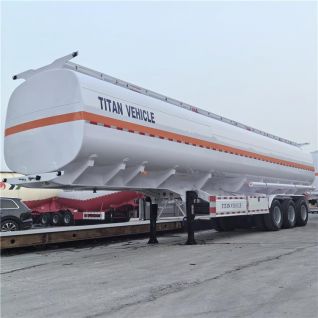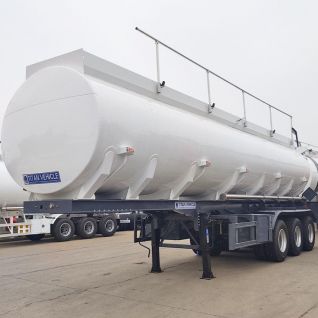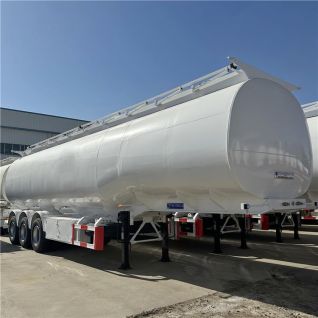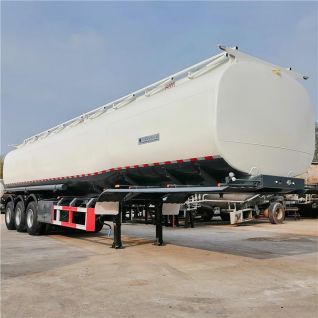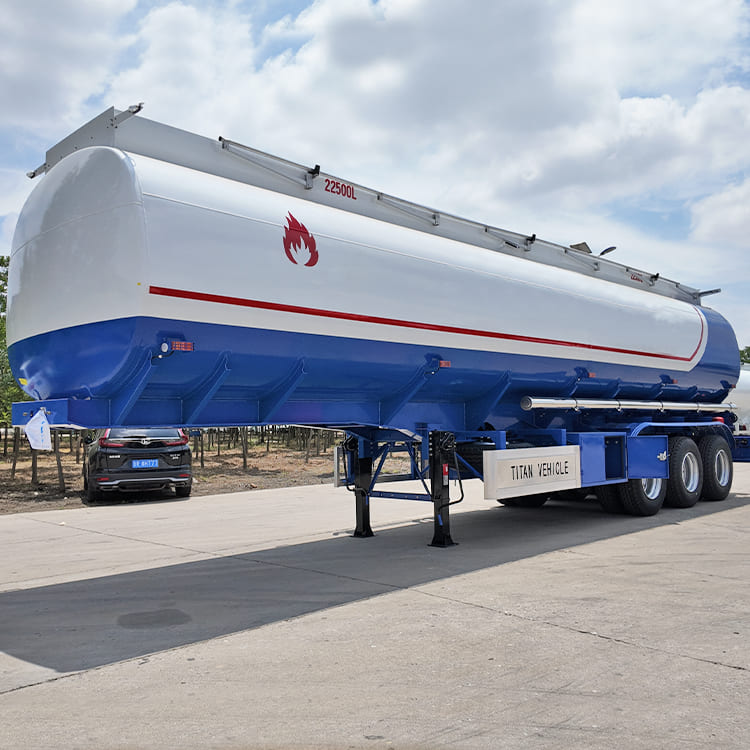
TITAN's 45,000-litre transport unit is engineered to move very large fuel loads in a single trip, lowering per-litre hauling costs and improving route economics for operators in Uganda. The design emphasizes configurable capacity and operational flexibility: customers can choose tank volumes, colors, structural reinforcements, and material options so each palm oil tanker suits specific transport missions and regulatory contexts.
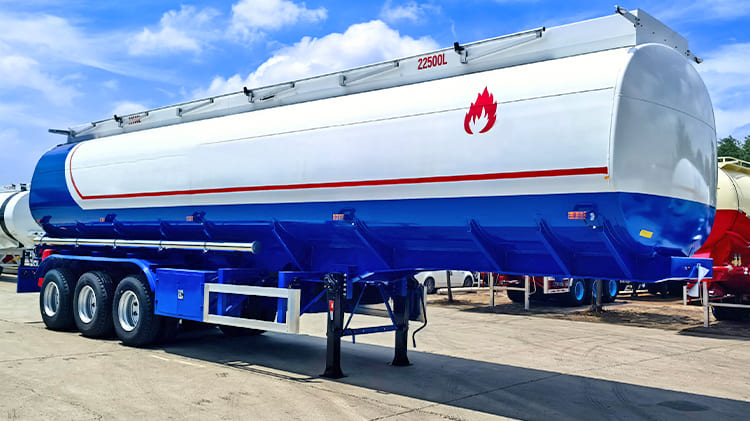
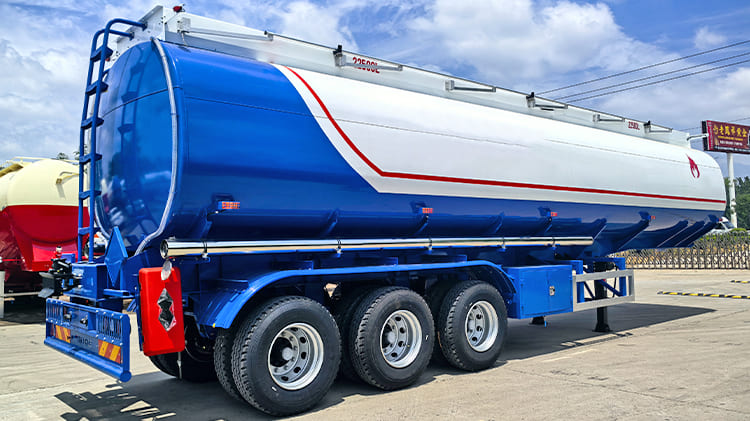
Total volume(L): 45000L
Tanker Body Material: 5mm thick stainless steel
Manhole Cover: Carton steel
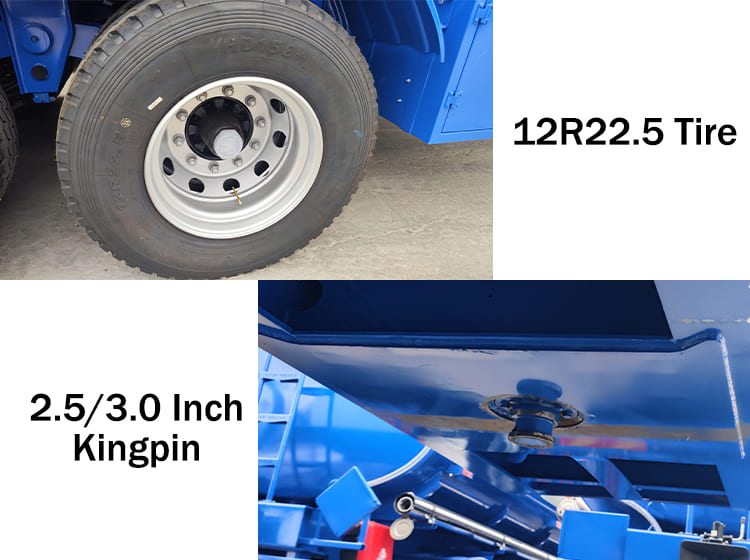
Kingpin: 2.0/3.5 inch type
Axle: 3 axles, TITAN brand, 13 ton
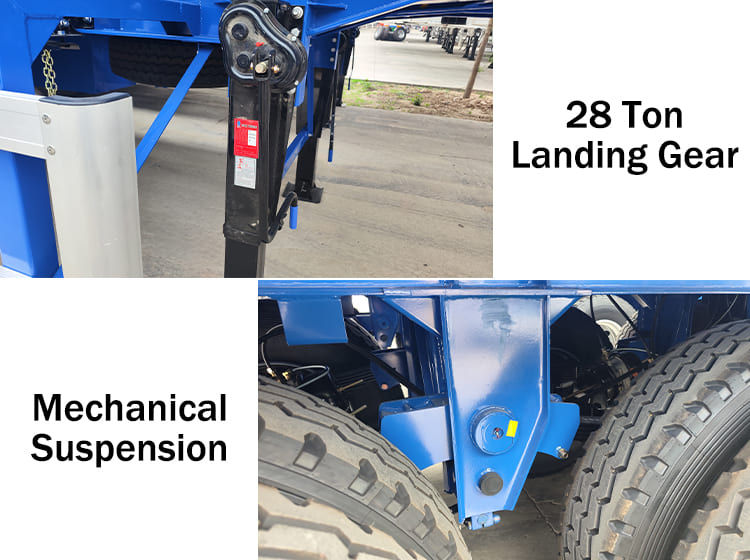
Landing Gear: 28 ton
Suspension: mechanical suspension
Leaf Spring: 10 layers
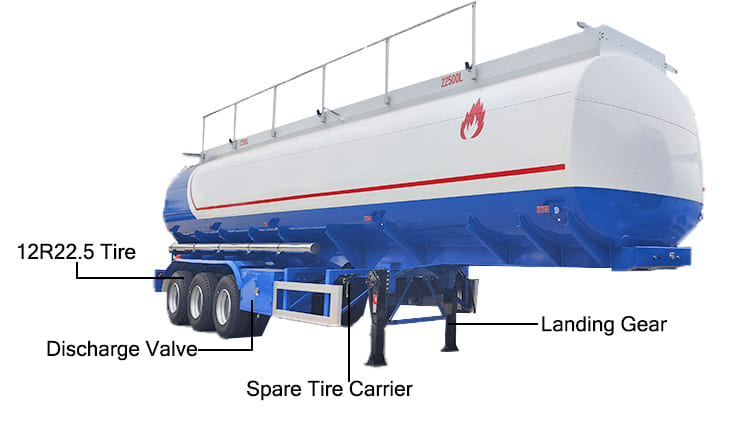
Tire: 12 units, 12R22.5
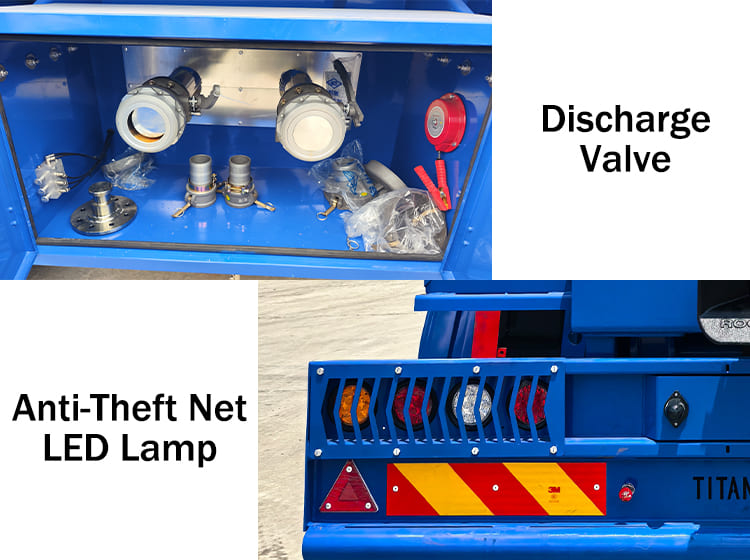
Lamp: LED Lamp with net
The tank body for each palm oil tanker is fabricated using advanced welding techniques. Single-sided welding with double-sided forming produces smooth, high-strength seams, while longitudinal welding reduces seam counts and strengthens structural continuity across the shell. These methods increase the tank's resistance to fatigue and leakage, delivering longer service life and lower lifecycle oil tanker cost for fleet owners operating on Uganda's diverse road networks.
To meet international and local needs, the discharge valve on the palm oil tanker can be positioned left or right, and the vessel may be divided into multiple compartments. Compartmentalization allows simultaneous carriage of different grades or batches without cross-contamination, while internal baffle plates (thickened on larger tanks) limit liquid surge and reduce sloshing loads. The use of wave-breaker plates helps preserve tank integrity and reduces dynamic forces on the palm oil tanker during highway runs and sharp maneuvers across Uganda.
Safety features are robust and certified. The 45 CBM model includes an explosion-proof manhole cover integrated into the sealed top structure; this assembly complies with European safety standards and is designed to remain secure under rollover conditions, reducing the risk of product loss and fire. Such protections factor directly into lower insurance premiums and a more favorable oil tanker price when operators evaluate total ownership implications.
Ground handling is simplified with heavy-duty landing gear rated to support up to 28 tons. The landing system on the palm oil tanker boasts an ergonomic deployment mechanism and broad foot pads to increase contact area and prevent sinking on soft ground.
This improves stability during loading and unloading and reduces the effort required from ground crews, an operational advantage that keeps turnaround times down and lowers the effective oil tanker cost of each delivery cycle.
Chassis balance and ride control are addressed through a three-axle layout coupled with mechanical suspension. The triple-axle arrangement spreads load evenly across tires and frame, reducing the likelihood of overloading any single wheel and thereby minimizing the risk of blowouts or structural damage. Working with the durable suspension, the axle system cushions shocks from rough surfaces and improves overall handling for the palm oil tanker on Uganda's varied routes.
Every unit undergoes rigorous pressure testing and non-destructive inspection to verify structural strength and airtightness before shipment. These quality control steps detect welding flaws, micro-cracks, or other imperfections that could compromise a tank's seal.
Passing these tests assures buyers that the palm oil tanker conforms to tight reliability standards and reduces unexpected repair expenses, thereby lowering projected oil tanker cost over the operating life.
TITAN's engineering, and testing measures produce palm oil tanker units that score highly on durability, operational safety, and long-term economy. These attributes convert directly to higher uptime, fewer unplanned repairs, and a lower total oil tanker cost over the asset's life.
Export packaging is treated as an extension of product protection. Prior to dispatch, each 3-axle palm oil tanker receives a protective wax coating and is wrapped in a heavy-duty waterproof tarp. This two-stage preservation prevents corrosion from moisture and salt exposure during sea transit, ensuring the unit arrives at East African ports or inland depots in Uganda ready for immediate commissioning and service. The reduced need for touch-ups on arrival translates into tangible savings in time and oil tanker price adjustments for importing fleets.